Table of Contents
ToggleGutters aren’t glamorous, but they’re critical to protecting your home from water damage. In Lakeland, Florida’s humid subtropical climate brings frequent afternoon thunderstorms and seasonal tropical systems, all of which send heavy water volumes through your gutters and downspouts. Clogged gutters can’t handle this flow, leading to overflow that damages fascia, foundation, and landscaping. Regular gutter cleaning prevents costly repairs and keeps water moving away from your home where it belongs. Whether you tackle it yourself or hire help, understanding Lakeland’s specific challenges makes all the difference.
Key Takeaways
- Gutter cleaning in Lakeland is critical to preventing water damage from the region’s tropical climate and frequent thunderstorms that overwhelm clogged gutters.
- Perform gutter cleaning at least three times annually in Lakeland—spring, fall, and after heavy storms—due to rapid debris accumulation from oak trees, pine needles, and palm fronds.
- DIY gutter cleaning requires proper safety equipment including an extension ladder with stabilizer, gloves, safety glasses, and a helper to prevent falls and injuries.
- Follow a systematic cleaning process: remove debris, check downspout flow, flush gutters, inspect seams, and ensure water drains away from your foundation.
- Professional gutter cleaning costs $150–500 in Lakeland depending on home size, and is recommended for two-story homes, serious damage, or when you’re uncomfortable working at heights.
- Hiring a professional gutter cleaner prevents costly foundation repairs, mold remediation, and structural damage that far exceed regular maintenance costs.
Why Regular Gutter Cleaning Is Essential in Lakeland
Lakeland’s tropical and subtropical environment creates unique gutter problems. The combination of oak trees, pine needles, and palm fronds means debris accumulates fast, often within a few months rather than once yearly. When gutters clog, water backs up under roof shingles, rotting the decking underneath and compromising structural integrity.
Water overflow cascades down the exterior walls, encouraging mold growth and staining your siding. Foundation cracks develop when standing water pools near your home’s base. Even a modest rainfall becomes a threat to basements and crawl spaces when gutters fail.
Lakeland’s sandy soil drains quickly, which seems helpful until overflowing gutters create concentrated water streams that erode landscaping and undermine soil stability around your foundation. The cost of fixing water damage, mold remediation, foundation repair, interior restoration, dwarfs the cost of quarterly gutter maintenance.
Best Time to Clean Gutters in Lakeland’s Climate
Lakeland experiences two primary cleaning windows: spring (March-April) and fall (October-November). Spring cleanup removes winter debris and prepares gutters for summer’s thunderstorm season, which peaks June through September. Fall cleaning is equally critical, deciduous trees drop leaves aggressively from October onward, and you want clear gutters before winter rains arrive.
Don’t skip summer cleaning, though. After heavy tropical downpours, gutters may clog with silt and debris even if you cleaned recently. A quick inspection after storms keeps problems small. Winter cleaning (December-February) is lighter in Lakeland since foliage isn’t as heavy, but don’t assume gutters are clean just because fewer leaves are falling.
The humid, wet environment accelerates growth of moss and algae in gutters, so even a relatively debris-free gutter may need pressure-washing to maintain water flow. Aim for at least three cleaning cycles annually, more if you have large trees nearby.
DIY Gutter Cleaning: Tools and Safety Tips
Essential Tools You’ll Need
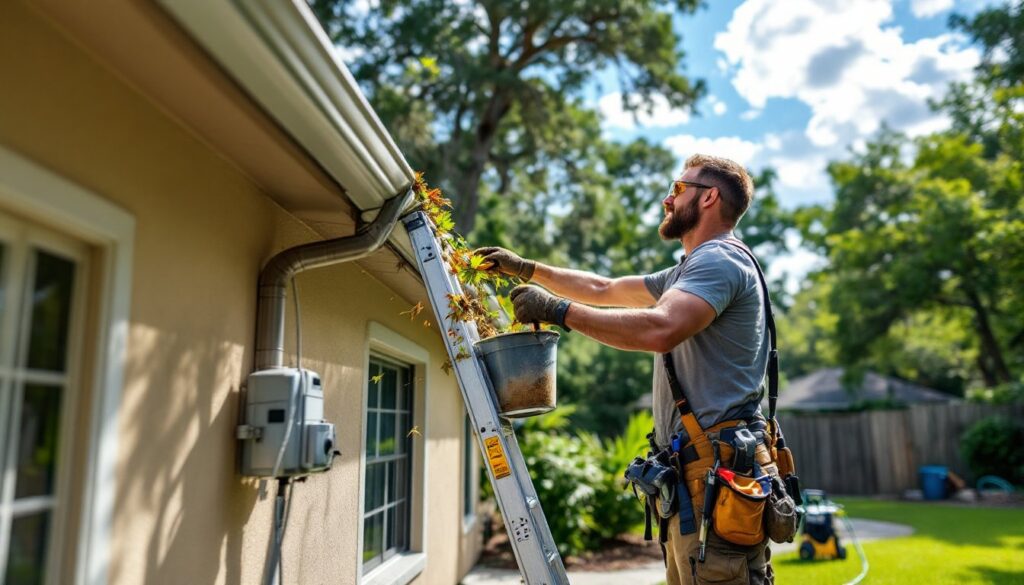
You don’t need expensive equipment for basic gutter cleaning. A 20- to 24-foot aluminum extension ladder rated for your weight plus 50 pounds (accounts for tools and debris bags) is the primary investment. A rope or cable stabilizer prevents the ladder from slipping sideways, critical for safety since gutters offer no solid anchor points.
Gutter scoops (plastic handheld versions cost $8-15) or a wet/dry shop vacuum with an extension wand make debris removal efficient. A shop vacuum attachment designed for gutters prevents you from hand-scooping every leaf. Once cleared, flush gutters with a garden hose or pressure washer (1500 PSI or less: avoid excessive pressure that damages seams).
Work gloves protect your hands from sharp metal edges and decomposing debris. A headlamp or work light is essential if you’re working early morning or late afternoon, shadows hide hazards.
Safety Precautions Every Homeowner Should Follow
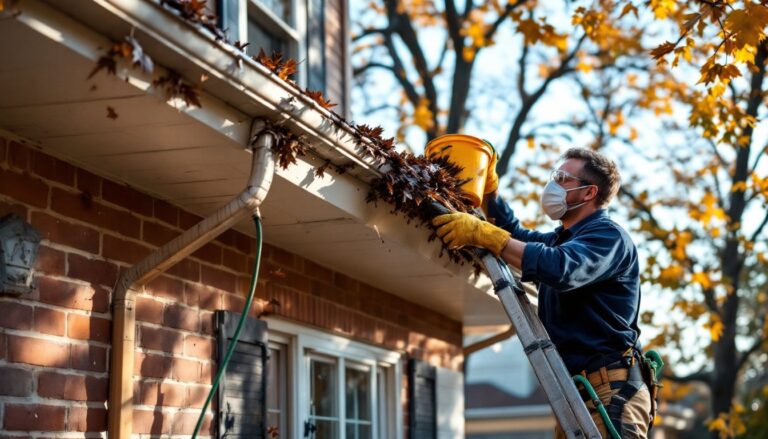
Wear safety glasses to protect eyes from splashing water, dirt, and insects. Leather work gloves prevent cuts from gutter edges. A dust mask or respirator is non-negotiable if gutters contain mold, mildew, or decomposed leaves, inhaling mold spores poses real respiratory risks, especially in Lakeland’s humid climate where mold thrives.
Never work alone. Have a second person stabilize the ladder and watch for hazards. Avoid cleaning gutters during or immediately after heavy rain, wet conditions make ladders slip. Never lean too far sideways: instead, reposition the ladder frequently.
Before climbing, inspect your ladder for cracks, bent rails, or wobbly rungs. A damaged ladder is a lawsuit waiting to happen. Keep both hands on the ladder while climbing: carry tools in a belt or lower them by rope once you’re positioned.
If you’re uncomfortable on ladders, afraid of heights, or have mobility limitations, hiring a professional is the right call. Gutter cleaning isn’t worth a fall, medical bills and recovery time cost far more than professional service.
Step-by-Step Gutter Cleaning Process
-
Set up your ladder safely. Position it under the gutter section you’re cleaning. Use a rope or cable stabilizer to prevent side-to-side movement. Ensure the ladder’s feet rest on level ground: use shims if necessary. Have your helper hold the ladder base.
-
Remove large debris by hand or scoop. Start at the downspout end and work toward the opposite direction. Use a gutter scoop or your gloved hand to pull leaves, twigs, and accumulated silt into a bucket or bag. Don’t rush, thorough removal prevents clogs inside downspouts.
-
Check downspout flow. After scooping the gutter, run water into the downspout. If water backs up or drains slowly, the downspout is clogged. Use a plumbing snake or pressure washer to clear blockages. Some homeowners install downspout strainers (simple mesh screens) to reduce future blockages, they catch large debris before it enters the downspout.
-
Flush the entire gutter. With a garden hose, run water the length of the gutter in both directions. Watch for standing water or slow drainage, which indicates remaining debris or a low spot needing adjustment. For stubborn buildup, a pressure washer works (use low pressure, around 1500 PSI, to avoid damaging seams).
-
Inspect seams and fasteners. As you clean, look for rust, separation, or damage at seams. Gutter sealant can fail after 10-15 years, especially in Lakeland’s UV-intense climate. If you spot leaks or significant deterioration, note the location for repair or professional evaluation.
-
Clear the ground below. Debris piles up below downspouts. Rake or sweep cleared leaves away from the foundation and downspout discharge areas. Ensure water drains away from your home, not toward it.
When to Call a Professional Gutter Cleaner
Hiring a professional makes sense in several situations. If you have a two-story home or feel unsafe on ladders, professionals have commercial-grade equipment and insurance to handle heights safely. You can compare quotes using platforms like HomeAdvisor’s contractor matching, which provides estimates and reviews.
If your gutters show signs of serious damage, sagging sections, rust perforation, or separated seams, a professional can assess whether cleaning alone will fix the problem or if replacement is necessary. Gutter guards or leaf screens reduce cleaning frequency: professionals can recommend and install suitable options for Lakeland’s foliage load.
Severe clogs involving downspout damage, fascia rot, or foundation pooling warrant a professional inspection. They can use cameras and specialized tools to diagnose underground or hidden blockages. A service like Angi’s home service reviews helps you find vetted local providers and understand typical costs in your area.
Budget for professional cleaning: Lakeland rates typically run $150-300 for single-story homes and $250-500 for two-story homes, though pricing varies by gutter length and debris severity. ImproveNet’s cost guides offer regional pricing references to verify you’re getting fair quotes. Quarterly cleaning contracts often cost less per visit than one-off service.