Table of Contents
ToggleAsheville’s lush landscape and abundant rainfall mean your gutters work overtime. Between mountain foliage, pine needles, and seasonal downpours, clogged gutters can cause water damage, foundation issues, and costly repairs before you know it. Cleaning your gutters regularly isn’t glamorous, but it’s one of the most effective ways to protect your home’s integrity. This guide walks you through the process step-by-step, from prep to prevention, so you can handle gutter cleaning safely and confidently.
Key Takeaways
- Gutter cleaning in Asheville should happen at least twice yearly—once in late fall and again in early summer—due to the region’s 50 inches of annual rainfall and heavy tree debris.
- Properly functioning gutters require a slight pitch of about 1/8 inch per 10 feet and should direct water at least 4–6 feet away from your home’s foundation to prevent water damage and structural issues.
- Essential safety equipment for gutter cleaning includes a 24-foot extension ladder with stabilizer, work gloves, safety glasses, a gutter scoop, and a spotter to prevent falls and injuries.
- Professional gutter cleaning services in Asheville typically cost $100–$300 and are recommended for homes exceeding two stories, complex damage, or cases where debris buildup is severe after years of neglect.
- Installing gutter guards or leaf screens ($5–$30 per linear foot) can reduce cleaning frequency significantly and provide long-term protection against Asheville’s abundant foliage.
- Trim tree branches 6–8 feet back from your roof and regularly inspect downspout extensions to maintain efficient drainage and prevent costly foundation and water damage repairs.
Why Gutter Cleaning Matters in Asheville’s Climate
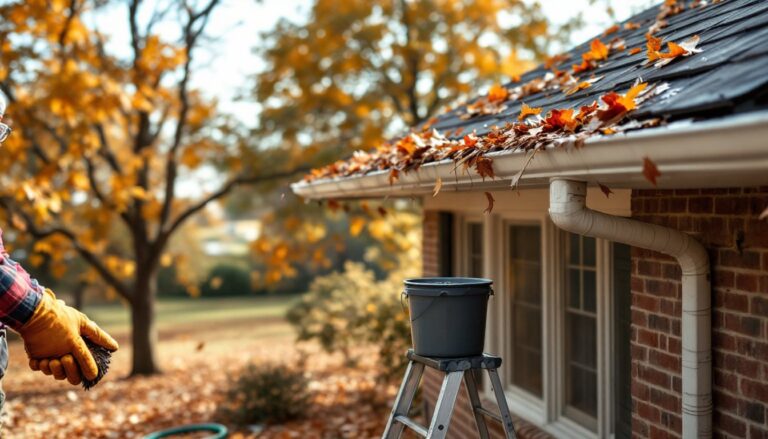
Asheville sits in the foothills of the Blue Ridge Mountains, which brings specific gutter maintenance challenges. The area receives roughly 50 inches of rain annually, well above the U.S. average, and deciduous trees shed heavily twice a year. Gutters clogged with leaves, twigs, and debris can’t channel water away from your roof and foundation effectively.
When water backs up behind debris, it can seep under roofing shingles, leading to rot in roof decking and fascia boards. Standing water in gutters also becomes a breeding ground for mosquitoes and attracts pests. Over time, accumulated moisture and weight can sag gutters, pulling them away from the roofline and compromising their slope. Even a mild blockage reduces drainage efficiency, gutters need a slight pitch (about 1/8 inch per 10 feet) to work properly.
Most Asheville homeowners should clean gutters at minimum twice yearly: once in late fall after leaves drop, and again in early summer before heavy thunderstorm season. If your property has overhanging trees, more frequent cleaning, every quarter, pays off quickly.
Essential Tools and Safety Equipment You’ll Need
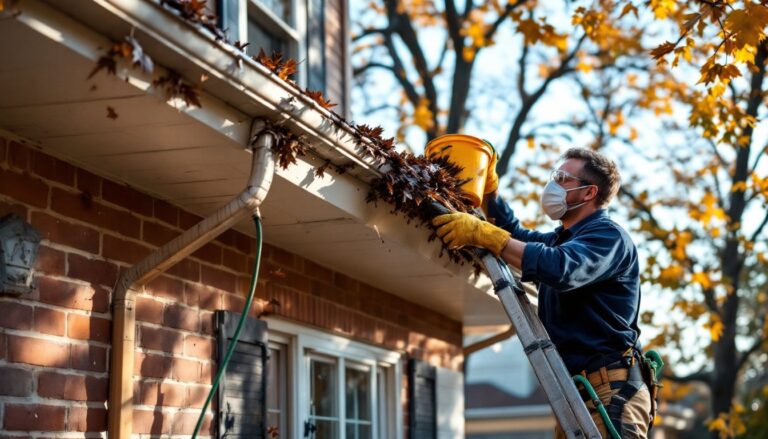
Before climbing any ladder, gather the right equipment. You’ll need a 24-foot extension ladder (most residential gutters sit 20–25 feet high) or a 20-foot ladder if your home is single-story. A ladder with a standoff or stabilizer bar prevents the ladder from leaning directly against gutters, which can damage them or tip you.
Materials and tools:
- Gutter scoop or small shovel (removes bulk debris efficiently)
- Work gloves (leather or nitrile, thick enough to handle sharp sticks and resist moisture)
- 5-gallon bucket with handle (attach to the ladder with a carabiner or clip)
- Garden hose with spray nozzle
- Flashlight or headlamp (gutters collect dark debris: seeing what you’re doing matters)
- Wet/dry vacuum (optional but useful for stubborn silt and small debris)
Safety Gear and Ladder Setup
Always wear:
- Safety glasses or goggles (debris falls: eyes are vulnerable)
- Long sleeves (protects against sharp twigs and insect bites)
- Sturdy, slip-resistant shoes with good ankle support
- Hearing protection if using a power washer
Set your ladder on level, solid ground, never on grass or soft soil. Have a spotter present: they can steady the ladder and hand you tools, keeping you from overreaching. Most falls happen when climbers lean too far sideways. Keep your hips between the ladder rails and move the ladder frequently rather than stretching.
If you’re uncomfortable at heights, have physical limitations, or your home exceeds two stories, hiring a professional is the safer choice. No project is worth a fall.
Step-by-Step Guide to Cleaning Your Gutters
Step 1: Position Your Ladder
Set the ladder 3 feet to one side of where you’ll work, angling it so you can reach about 3 feet in each direction. Secure it and have your spotter confirm it’s stable before climbing.
Step 2: Remove Bulk Debris
Starting at the downspout location, use a gutter scoop or small shovel to remove leaves, twigs, and packed silt. Work in sections, filling your bucket as you go. Don’t rush this step, removing the bulk debris makes flushing easier and faster.
Step 3: Inspect for Damage
As you scoop, look for standing water, cracked sections, sagging areas, or rust spots. Make a mental note of damage you’ll address later.
Removing Debris and Unclogging Downspouts
Once the bulk is cleared, use a garden hose set to medium pressure to flush the gutter channel, pushing water toward the downspout. This removes fine silt and tests whether water flows freely. If water pools in certain spots, you likely have a slight sag, note it and adjust later if needed.
Downspouts are common blockage points. Use your hose to flush from the top of the downspout: if water backs up or sprays sideways, the downspout is clogged. A few options: spray forcefully upward from the bottom of the downspout extension, or carefully use a plumbing snake fed from the top to break up the blockage. For stubborn clogs, remove the downspout elbow (usually held with two screws or rivets) and clear it by hand or shake it out.
After flushing, check that water exits the downspout extension cleanly and drains away from the foundation. The downspout extension should carry water at least 4–6 feet away from the house: if it’s shorter, add a 6-foot extension. This small step prevents foundation saturation and pooling near your basement.
Once gutters are clean and flowing, give them a final inspection. Professional contractors often recommend gutter cleaning professionals in Asheville for a full assessment if you spot sagging, separated seams, or corrosion.
When to Call a Professional Service
Gutter cleaning is a DIY-friendly project for most homeowners, but certain situations warrant hiring a professional. If your home exceeds two stories, you’re dealing with complex roof architecture, or you have physical limitations, professional crews have the equipment and insurance to work safely.
Also consider calling professionals if you discover damage during cleaning: separation at seams, holes or rust spots, significant sagging, or rotting fascia boards. These repairs often require partial gutter removal, re-hanging, or even structural work on roof edges, tasks beyond a typical DIY scope. Professionals can replace sections, reseal joints, and adjust slope to restore proper drainage.
Another scenario: if you haven’t cleaned gutters in several years, silt buildup and debris may be extensive. A professional power wash removes fine sediment and can be safer than climbing repeatedly. Resources like HomeAdvisor offer contractor matching and cost estimates, helping you compare local services and pricing. In Asheville, gutter cleaning typically costs $100–$300 depending on home size and debris level.
Preventing Future Gutter Problems
After a good cleaning, prevention saves time and money. Gutter guards or leaf screens reduce debris entry significantly. Mesh guards allow water through while blocking leaves: they cost $5–$15 per linear foot installed. Solid covers are more expensive ($15–$30 per foot) but work well in heavy-foliage areas. If you have significant tree coverage over your roof, guards can reduce cleaning frequency from twice yearly to once yearly or even less.
Trim tree branches hanging over the roof 6–8 feet back, if possible. Less overhang equals less debris. Mark your calendar: set reminders in mid-November and early May to schedule cleaning or check guards for buildup.
Finally, ensure downspout extensions aren’t crushed or clogged. Every few months, especially after storms, visually inspect that water is draining freely away from the house. These small habits prevent the slow-building problems that cost thousands to repair. For detailed home maintenance guides and expert contractor recommendations, Bob Vila offers comprehensive DIY and repair advice covering seasonal care.