Table of Contents
ToggleSlow drains and backups are a fact of life for Prescott Valley homeowners, especially in older properties and those dealing with hard water buildup. Whether it’s the kitchen sink draining like molasses or a bathroom backed up entirely, a clogged drain disrupts your day and can hint at bigger problems lurking in your home’s plumbing system. The good news: many drain issues are preventable with routine maintenance, and plenty are fixable without calling a plumber. This guide walks you through what causes drains to fail in our area, how to spot trouble early, and which cleaning methods work for DIYers versus when a pro saves you time and frustration.
Key Takeaways
- Drain cleaning in Prescott Valley requires special attention due to hard water mineral buildup that accelerates clogs faster than in other regions; routine monthly maintenance with baking soda can extend time between professional cleanings from 1–2 years to 3–5 years.
- DIY methods like plungers, baking soda and vinegar, boiling water, and manual drain snakes (costing $15–40) successfully handle 80% of household drain issues within 3–6 feet of the drain opening.
- Watch for warning signs of serious clogs: multiple slow drains, sewage odors, gurgling sounds, or water pooling around fixtures—these indicate main-line issues requiring professional inspection.
- Professional drain cleaning services in Prescott Valley use camera inspections ($150–300) to pinpoint blockages, and high-pressure hydro-jetting ($300–800) for stubborn mineral scale or grease buildup that snaking cannot clear.
- Call a licensed plumber if a clog returns within days, multiple drains back up simultaneously, you’ve spent over an hour on DIY without success, or the blockage involves a toilet or septic system.
- Prevent future drain problems by using drain strainers, flushing with hot water weekly, and performing monthly baking soda treatments—these simple habits protect your plumbing and reduce emergency repair costs.
Why Regular Drain Maintenance Matters in Prescott Valley
Prescott Valley’s hard water, mineral-rich groundwater that deposits calcium and magnesium buildup, accelerates drain slowdowns faster than you’d see in softer-water regions. Mineral scale, soap residue, and kitchen grease bond to pipe interiors, narrowing the passage and trapping hair and debris. Without regular cleaning, these deposits thicken over months, turning a slow drain into a complete blockage.
Routine maintenance prevents emergency calls and costly pipe repairs down the line. Simple habits like using drain strainers, flushing with hot water weekly, and treating drains with baking soda monthly can extend the time between professional cleanings from every 1–2 years to every 3–5 years. In Prescott Valley’s mineral-heavy environment, that discipline pays dividends on your water bill and plumbing longevity.
Signs Your Drains Need Immediate Cleaning
Watch for these red flags before a drain becomes a full emergency:
Slow drainage across multiple fixtures (sinks, tub, toilet) suggests a main line issue rather than a single trap clog. Unpleasant odors coming from drains, sour, musty, or sewage-like, signal trapped organic matter breaking down inside the pipe. Gurgling sounds when water drains mean air is trapped behind a partial blockage. Water pooling around a shower or bathtub, or backing up into adjacent drains, indicates the blockage is downstream and likely serious.
If water is slow but only in one sink, the trap under that fixture is usually the culprit, an easy DIY fix. If multiple drains are sluggish or you’re hearing gurgles, the problem is likely in the main drain or vent stack, and a plumber’s camera inspection becomes worthwhile to pinpoint the location.
DIY Drain Cleaning Methods That Actually Work
Using a Plunger and Natural Solutions
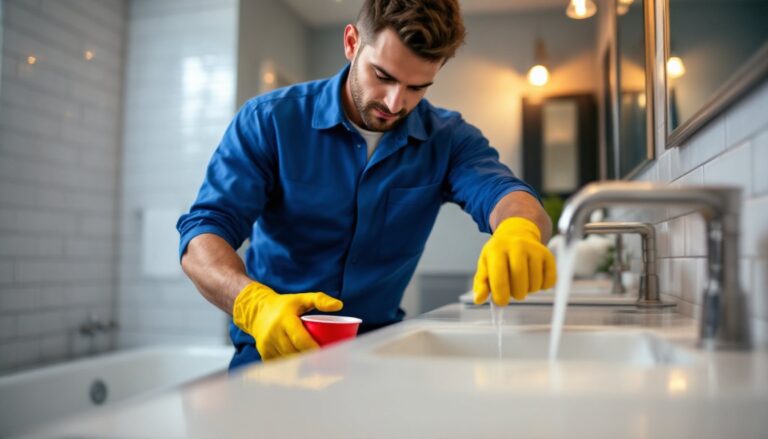
The plunger remains a first-line tool because it works. Fill the sink or tub with 3–4 inches of water, block the overflow hole with a wet cloth (if the fixture has one), and plunge vigorously for 15–20 seconds. The pressure and suction often dislodge debris near the trap. For a bathtub, the plunger’s cup should cover the drain completely: work it hard and fast, then pull up sharply.
Baking soda and vinegar are gentle, non-toxic, and genuinely effective for minor buildup. Pour ½ cup of baking soda down the drain, chase it with 1 cup of white vinegar, and let the fizzing action work for 15–30 minutes. The chemical reaction helps dissolve soap scum and lighter mineral deposits. Finish with a kettle of boiling water to flush loosened material. This method works best on slow drains where the stoppage isn’t complete. Repeat monthly as preventive maintenance.
Boiling water alone can melt grease-based clogs in kitchen sinks. Heat a kettle, pour carefully down the drain, and let it sit for a few minutes. Follow with a plunger if the water drains slowly. In Prescott Valley’s hard water, mineral deposits resist heat, so this trick works better on grease clogs than mineral scale.
Drain Snakes and Cable Tools
A drain snake (also called a plumbing auger) is the next step up. Manual snakes cost $15–40 and work well for clogs within 3–6 feet of the drain opening. Insert the flexible cable into the drain, turn the handle to spin and advance the tip, and apply steady pressure when you feel resistance. Once the snake breaks through the clog, flush with hot water.
Motorized augers ($40–150 for rental) handle longer runs and tougher blockages. Home improvement centers rent them hourly: a 25-foot cable snake clears most household drains to where the main line begins. Wear work gloves and eye protection, the spinning cable can catch skin and fling debris if you’re not careful. Feed the cable slowly and keep your hands clear of the rotating drum.
For second-floor bathroom drains, a toilet auger (a short, rigid tool designed for toilet bowls) avoids backing up into the P-trap. Plunging a toilet is safe: snaking it yourself risks damaging the ceramic bowl. If the blockage is deeper than 3 feet, call a professional.
According to guidance from Family Handyman, knowing when to rent versus call saves both money and frustration. If you’ve spent an hour snaking and the drain still backs up, the blockage is likely past the P-trap or in the main line, time for a camera inspection and professional removal.
When to Call a Professional Drain Cleaning Service
Call a plumber if:
- The clog returns within days or weeks after DIY treatment (sign of a deeper issue or tree roots in the line).
- Multiple drains back up simultaneously, indicating a main-line blockage.
- Water is pooling in the yard, or sewage smell is coming from outdoors (possible septic or main-line failure).
- You’ve spent more than an hour snaking with no success.
- The drain is in a toilet, as improper snake use damages the bowl.
- Your home is on a septic system (requires specialized knowledge).
Professional plumbers use camera inspections (a waterproof scope threaded through the drain) to see exactly where the blockage is, whether it’s grease, roots, scale, or a broken pipe section. This diagnostic clarity prevents guesswork and repeat visits. Services in Prescott Valley typically charge $150–300 for a camera inspection and $200–500 for drain cleaning, depending on accessibility and severity.
High-pressure hydro-jetting, using a motorized pump to force 4,000+ PSI water through the pipe, clears stubborn scale and grease buildup that snaking can’t budge. It’s effective but more costly ($300–800) and requires professional licensing and insurance in many jurisdictions. Tree roots, but, often require a different fix: excavation and root removal or pipe relining, which demands a licensed contractor.
You can compare local services using HomeAdvisor for cost estimates and contractor reviews, or Prescott Valley’s top-rated drain cleaners to find licensed, insured professionals in your area. Get quotes from at least two companies before deciding.
Conclusion
Drain cleaning in Prescott Valley boils down to prevention and early action. Monthly baking soda flushes and strainers catch debris before it becomes a problem. A plunger and a $20 manual snake handle 80% of DIY situations. For stubborn clogs, mineral buildup, or main-line issues, a licensed plumber’s tools and expertise save time and prevent costly damage. Know your limits, invest in basic maintenance, and don’t ignore warning signs, your wallet and your walls will thank you.