Table of Contents
ToggleClogged drains are a fact of homeownership in St. Louis, whether you’re dealing with the clay soils common in the region or aging infrastructure in older neighborhoods. Before you reach for drain cleaning chemicals or dial a plumber, you have options. Some clogs can be tackled with household supplies and simple tools, others genuinely need professional equipment and expertise. This guide walks you through practical DIY drain cleaning methods, helps you understand what causes St. Louis drains to back up, and shows you how to recognize when a professional drain cleaning is the smarter (and often cheaper) choice.
Key Takeaways
- St. Louis drain cleaning challenges stem from heavy clay soil, aging infrastructure, and root intrusion, making regular maintenance essential to prevent backups.
- Baking soda and vinegar, plungers, and hand augers can effectively address slow drains and minor clogs without harsh chemicals or professional costs.
- Call a professional drain cleaning service when multiple drains are slow, water backs into your basement, or DIY methods fail after repeated attempts.
- Professional drain cleaners use motorized snakes, hydro-jets, and video inspection cameras to diagnose root causes and prevent recurring clogs, typically costing $150–$400 per service call.
- St. Louis homeowners can avoid most drain emergencies by using drain screens, flushing with hot water, and avoiding fats and hair buildup in pipes.
Why St. Louis Homes Need Regular Drain Maintenance
St. Louis’s climate and soil composition create unique drain challenges. The region’s heavy clay soil doesn’t drain quickly, and older homes, especially those built before the 1980s, often have cast-iron or galvanized steel drains that corrode and accumulate mineral deposits over decades.
Rain events also overwhelm storm drains, leading to backups. If your home connects to a combined sewer system (common in older neighborhoods), heavy rainfall can push sewage back into your basement or cause slow drains throughout the house. Root intrusion is another culprit: tree roots from yards and nearby boulevards seek out moisture and can crack or clog clay pipes.
Regular maintenance, using drain screens, flushing with hot water, and avoiding fats and hair buildup, prevents most clogs before they become emergencies. When maintenance lapses, even small debris accumulates and traps hair, soap residue, and food particles. The result: water backs up into your tub, sink, or worst case, your basement.
Quick DIY Drain Cleaning Methods You Can Try Today
Before calling a pro, try these proven techniques. Most work best on partial clogs or slow drains: complete blockages usually need professional equipment.
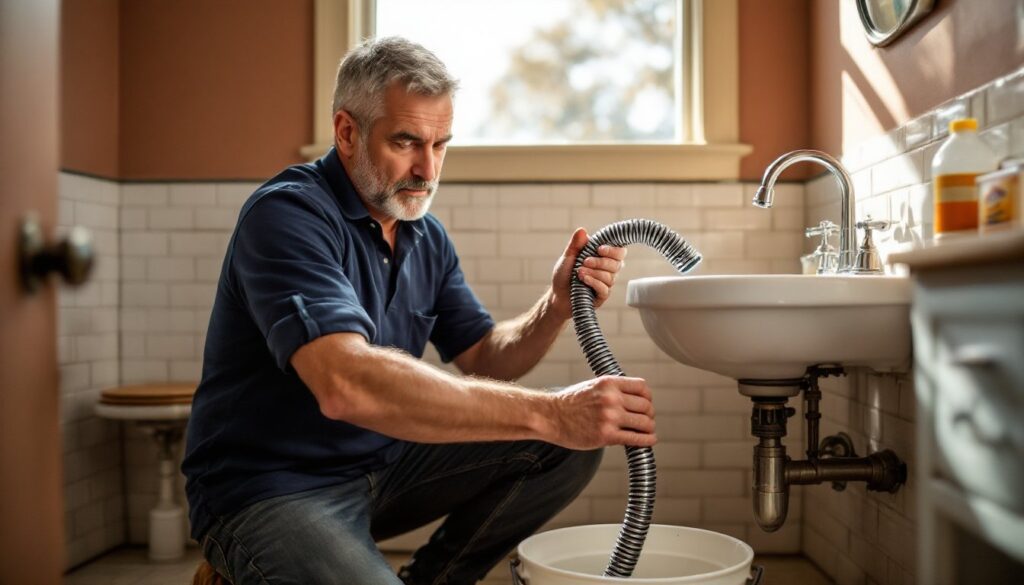
Safety first: Wear nitrile gloves and eye protection when working with any drain treatment. If you’re using a plumbing snake or removing a P-trap, place a bucket underneath to catch water. Never mix chemical cleaners: the reaction can produce toxic fumes.
Baking Soda and Vinegar Solution
This method works on slow drains and minor buildup, not total blockages. The chemical reaction helps break up organic matter (hair, soap, food residue) without harsh fumes or pipe damage.
Steps:
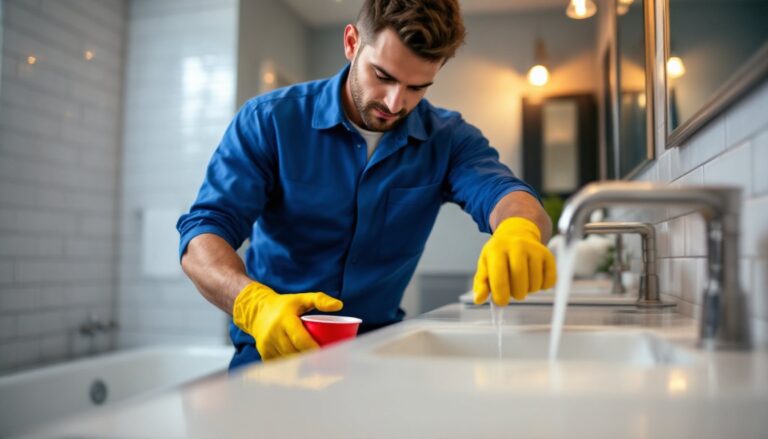
- Remove standing water from the drain using a cup or wet/dry shop vac.
- Pour ½ cup of baking soda directly down the drain.
- Follow with 1 cup of white vinegar. You’ll see fizzing, this is normal and helpful.
- Let it sit for 15–30 minutes while the reaction works.
- Boil a kettle of water and slowly pour it down the drain to flush.
- Repeat if water still drains slowly.
This works best on kitchen and bathroom sinks. It won’t clear a toilet clog or a deep blockage, but it’s safe, inexpensive, and often effective for maintenance.
Plunger and Snake Techniques
A cup plunger (for sinks) or flange plunger (for toilets) creates suction that dislodges clogs near the drain opening. A plumbing snake (also called a hand auger or drain auger) physically breaks up or hooks debris deeper in the line.
Using a plunger on a sink:
- Fill the sink with a few inches of water to create a seal.
- Place the plunger over the drain, ensuring it covers the opening completely.
- Push down and pull up vigorously 15–20 times. Maintain the seal.
- Check if water drains. Repeat if needed.
If you have a double sink, plug the overflow hole or the other drain with a wet cloth so suction doesn’t escape.
Using a plumbing snake:
- Feed the snake into the drain, turning the handle clockwise as you push it down.
- When you feel resistance (the clog), push and turn the handle firmly to break it up or hook debris.
- Slowly retract the snake, which may pull hair, soap, or other material out.
- Flush the drain with hot water to clear loosened debris.
Snakes are especially useful for hair-clogged bathroom drains. A 25-foot manually-operated snake costs $15–$40 and handles most residential clogs. Electric snakes rent from hardware stores for $30–$60 per day but overkill for minor clogs. Before renting, ask yourself: does water move at all, or is it completely blocked? Slow drains respond to snakes: totally blocked drains may need professional equipment like a motorized auger or a hydro-jet.
When to Call a Professional Drain Cleaner
Some situations demand professional equipment and expertise. Save yourself frustration, and avoid damage, by recognizing them early.
Call a pro if:
- Multiple drains are slow or backing up. This signals a problem in the main line or septic system, not individual fixtures. A plumber uses a camera to inspect the line and identify the exact issue.
- You have a septic system. Chemical cleaners and aggressive snaking can damage the bacterial balance or puncture the tank. Professionals know septic-safe methods.
- Water backs up into your basement. This is serious. It indicates a clogged main line, foundation crack, or sewer connection issue. Professionals have pumps and video inspection equipment to diagnose it.
- You smell sewage or see sewage outside. A cracked or misaligned pipe may require excavation and repair, definitely a licensed plumber’s territory.
- DIY attempts haven’t worked. If snaking and vinegar haven’t cleared the clog after a few tries, stop. Continuing risks pushing the clog deeper or damaging pipes.
- The drain is in a commercial setting or crawl space. Accessibility and insurance liability matter here.
What professionals bring to the table:
Professional-grade equipment: Motorized drain snakes, hydro-jets (high-pressure water that clears blockages and flushes roots), and camera inspection systems can handle clogs a plunger never will. Top-rated drain cleaners in Saint Louis, MO, available on HomeAdvisor, typically charge $150–$400 for a service call plus cleaning, depending on the clog’s location and severity.
Diagnosis: Video cameras let plumbers see inside the pipe. They spot root intrusion, cracks, sagging sections, or mineral buildup that explains repeated clogs. This prevents throwing money at symptoms.
Warranty: Professional work usually comes with a guarantee. If a clog returns within 30 days (sometimes 90), they’ll re-service it at no charge.
Building code knowledge: St. Louis has local plumbing codes, especially for structural or septic work. Licensed plumbers follow them: homeowners may miss requirements.
For detailed DIY repair tutorials on related plumbing maintenance, Family Handyman offers solid guidance on drain care and pipe basics. Many homeowners start with a DIY attempt, learn where their limits are, and then call a licensed pro, that’s a smart approach.
Conclusion
Drain cleaning in St. Louis doesn’t always require a professional call. Minor clogs respond well to baking soda and vinegar, plungers, or a basic hand auger. But honesty matters: if water isn’t moving at all, multiple fixtures are backing up, or DIY attempts have stalled, you’ll save time and money by calling a licensed drain cleaner early. St. Louis’s soil, climate, and aging infrastructure mean drains demand more attention here than in some regions, stay ahead with regular maintenance, and you’ll avoid most emergencies.