Table of Contents
ToggleSan Francisco’s coastal climate, with its mix of winter rains, summer fog, and occasional debris from nearby trees, makes regular gutter maintenance essential for homeowners. Clogged gutters don’t just look neglected: they can lead to water damage, foundation problems, and costly repairs. This guide walks you through why gutter cleaning matters in the Bay Area, when to tackle the job, and how to do it safely and effectively yourself or when to call in a professional.
Key Takeaways
- Gutter cleaning in San Francisco should happen twice yearly—late fall after leaf drop and early spring before heavy rains—to prevent water damage, foundation problems, and costly repairs.
- Clogged gutters cause standing water that rots wooden trim, deteriorates siding, compromises foundations, and breeds mosquitoes, making regular gutter cleaning essential for Bay Area homeowners.
- DIY gutter cleaning requires a sturdy extension ladder, heavy-duty gloves, safety glasses, a gutter scoop, and a hose; always place the ladder 3 to 4 feet from the wall and work methodically from the downspout end.
- Hire a professional gutter cleaning service if your home is three stories tall, has steep roof pitch, or shows signs of structural failure like sagging gutters or rust holes—costs typically range from $150 to $400 in San Francisco.
- Inspect gutters while cleaning for rusted sections, loose fasteners, or separation from the fascia, and don’t ignore standing water that won’t drain as these indicate damage requiring professional repair.
Why Regular Gutter Cleaning Matters for Bay Area Homes
Gutters are your home’s first line of defense against water damage. In San Francisco, where winter rainfall can be heavy and prolonged, a clogged gutter system backs up water onto your roof and fascia. Over time, this causes rot in wooden trim, deteriorates mortar and siding, and can even compromise the foundation as water pools around your home’s base.
Bay Area trees, especially oak and redwood, shed leaves and twigs year-round. These materials mix with dirt and decompose in your gutters, forming a sludgy blockage that prevents water from flowing freely. Standing water in gutters also becomes a breeding ground for mosquitoes and can damage shingles from underneath.
The cost of addressing water damage, mold remediation, foundation repair, roof replacement, far exceeds the modest effort of cleaning gutters twice a year. Most San Francisco homeowners should aim for cleaning in late fall (after leaves drop) and early spring (before heavy rain returns). If you have large trees overhead or live near the coast where salt spray accelerates rust, you may need three cleanings annually.
Best Times to Clean Gutters in San Francisco’s Climate
San Francisco’s temperate climate means you can clean gutters most months, but timing matters. Fall (September through November) is the primary window when deciduous trees drop their leaves. But, SF’s mild winters mean you won’t have the freeze-thaw cycles that damage gutters in colder climates, so you have flexibility.
Spring (March through May) is your second priority. Winter rains have passed, and you want gutters clear before any spring moisture events. Summer fog and low rainfall mean gutter cleaning is less urgent in July and August, though you should still inspect them if you notice pooling water.
If you live near a heavily wooded area, parts of the Castro, Forest Hill, or Presidio neighborhoods, don’t wait until fall is completely over. Start in September when the first real leaf drop begins. Conversely, neighborhoods with fewer trees (Downtown, Soma, Inner Sunset) may only need cleaning twice yearly. Pay attention to your own roof: if you spot leaves piling up or dark streaks indicating standing water, that’s your signal to climb a ladder regardless of the calendar.
Tools and Materials You’ll Need
Before climbing a ladder, gather your supplies. You don’t need much, most of it you probably own already.
Essential tools:
• A sturdy 25- to 32-foot extension ladder (longer than you think you need: gutters on a two-story home sit higher than they appear)
• Gloves (heavy-duty work gloves or nitrile: gutter sludge is abrasive)
• Safety glasses or goggles to keep debris and dust out of your eyes
• A gutter scoop or small garden trowel to remove leaves and sludge
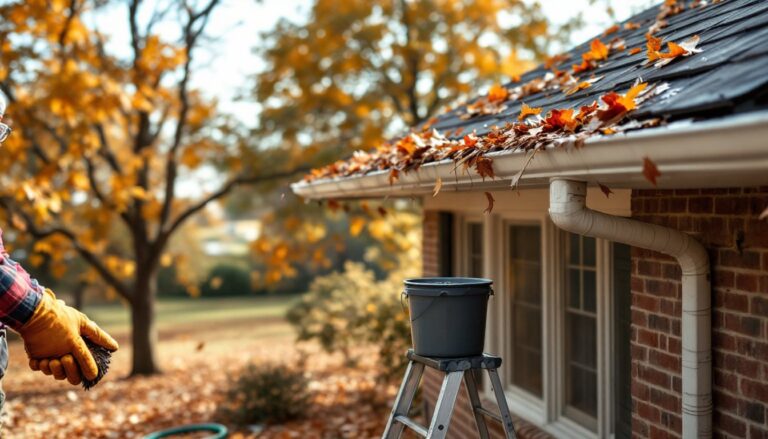
• A 5-gallon bucket with a rope or carabiner so you can clip it to the ladder
• A garden hose with spray nozzle to flush gutters clean
• Optionally, a handheld blower (cordless is easier) to clear loose debris before scooping
You might consider a wet-dry shop vacuum with a gutter-cleaning attachment, but this is optional unless you have extensive gutters or prefer not to climb repeatedly. Avoid leaf blowers on the ladder, the recoil can throw you off balance.
Safety gear: Beyond gloves and glasses, wear closed-toe shoes with good grip and consider earplugs if using a blower. Never wear loose clothing that might catch on the ladder.
Step-by-Step DIY Gutter Cleaning Instructions
Follow this process to clean gutters safely and thoroughly.
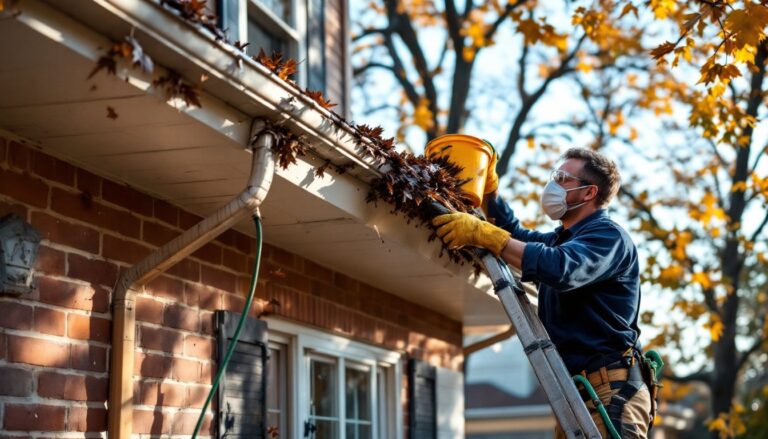
1. Set up your ladder properly. Place the base 3 to 4 feet away from the wall, a ratio of 1 foot away for every 4 feet of height. On uneven ground, adjust the back legs with shims so the ladder sits level. Always have someone spot you if possible, especially on sloped driveways near San Francisco’s steeper neighborhoods.
2. Clear loose debris. Starting at the downspout end of a gutter section, use your handheld blower or gutter scoop to remove leaves, twigs, and loose sludge. Work methodically along the run. Don’t rush: this is where most of the volume sits.
3. Scoop the sludge. Use your trowel or gutter scoop to dig out the compacted silt and decomposed leaf matter. It’s heavier and more tenacious than you’d expect. Work it into your bucket. Don’t let debris fall onto your roof, sweep it into the bucket or onto a tarp below.
4. Flush with water. Once the gutter is mostly clear, use your hose to flush from one end toward the downspout. This clears remaining fine debris and lets you spot any remaining blockages or damage. Pay attention to the downspout: if water backs up, you may have a clog deeper in the system.
5. Clear the downspout. If water backs up, disconnect the downspout extension (if removable) and flush it from the top. A plumbing snake can dislodge stubborn blockages. Reattach or run water through to confirm flow.
6. Inspect while you’re at it. Look for rusted sections, fasteners pulling loose, or separation where the gutter meets the fascia. Note any damage, these are reasons to contact a professional if repair is beyond basic tightening.
When to Call a Professional in San Francisco
Not every homeowner should climb a ladder, and that’s okay. You should hire a professional if your home is three stories tall, you have extensive copper or specialty gutters, or your roof pitch is steep and unsafe. San Francisco’s many Victorian and Edwardian homes with complex roof lines fall into this category.
You should also call a pro if you spot standing water that won’t drain, sagging gutters, or rust holes indicating structural failure. These aren’t cosmetic: they require re-hanging or replacement, not just cleaning. Professional cost estimates from services like how much does gutter cleaning cost in San Francisco range from $150 to $400 depending on house size and debris volume, but repairs can run into the thousands.
If you’re uncomfortable on ladders, have mobility issues, or simply want the work done quickly and professionally, hire someone. San Francisco has no shortage of gutter specialists, many licensed and insured. Resources like HomeAdvisor let you compare quotes and read reviews from local contractors. For broader project planning, ImproveNet offers cost guides and contractor matching tailored to Bay Area rates and availability.
Conclusion
Gutter cleaning isn’t glamorous, but it’s one of the highest-return maintenance tasks a homeowner can do. In San Francisco’s wet winters and variable climate, clean gutters protect your foundation, roof, and walls from expensive water damage. Whether you tackle it yourself twice a year or hire a professional, the key is consistency. Mark your calendar for late fall and early spring, keep your ladder secure, and don’t skip this essential task, your home will thank you.