In the world of home design, traditional white kitchens reign supreme like the beloved classic movie that never goes out of style. With their crisp cabinetry and timeless appeal, these kitchens are where culinary dreams come to life—think of it as the stage where every chef, amateur or pro, can shine. Who wouldn’t want to whip up a gourmet meal in a space that feels as fresh as a spring morning?
But don’t let the simplicity fool you. A traditional white kitchen is more than just a pretty face; it’s a versatile canvas that can adapt to any decor style. Whether it’s rustic charm or sleek modernity, this kitchen can handle it all. So grab your apron and let’s dive into why traditional white kitchens are the ultimate choice for home chefs and design lovers alike.
Overview of Traditional White Kitchens
Traditional white kitchens feature elements that enhance both functionality and style. Crisp cabinetry creates a clean look while providing ample storage solutions. These kitchens exude timeless appeal, making them a staple in many homes. A neutral palette allows homeowners to easily adapt the space to their personal taste.
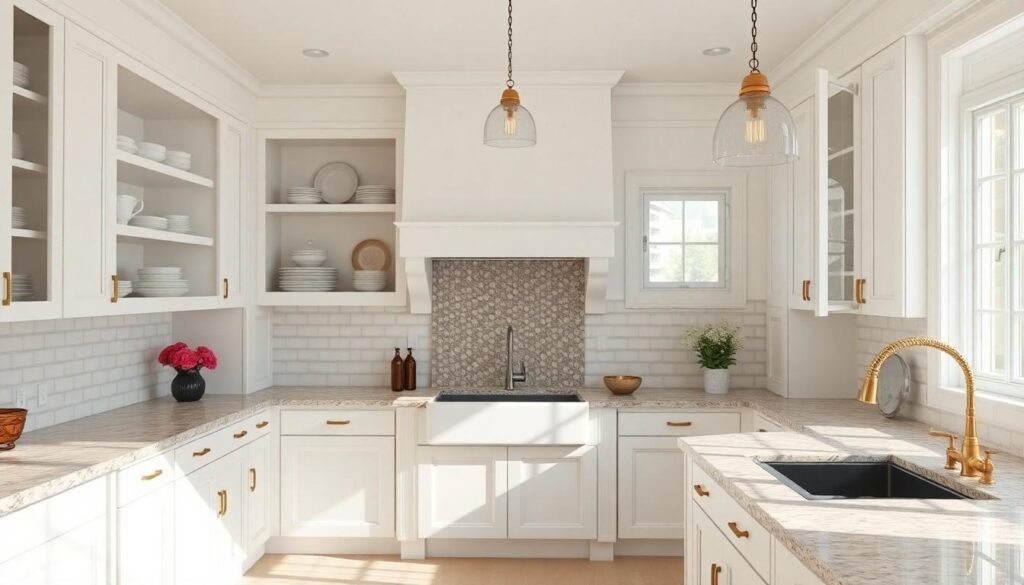
Many design enthusiasts appreciate the versatility of traditional white kitchens. Classic shiplap or beadboard accents can enhance their charm, complementing rustic aesthetics. Comprehensive designs include farmhouse sinks or ornate hardware, which add character to the overall look. These kitchens often prioritize natural light, maximizing the brightness of the space.
Functionality remains a key aspect, with layouts catering to both casual gatherings and formal dining experiences. Countertops made from durable materials like quartz or granite ensure longevity and ease of maintenance. Additionally, high-quality appliances blend seamlessly with the cabinetry, contributing to the sophisticated ambiance.
Home chefs thrive in well-organized environments, making efficient workflow essential in kitchen designs. Ample workspace encourages creativity, allowing for culinary experimentation. Traditional white kitchens not only serve as cooking spaces but also as gathering spots where life unfolds.
Popularity endures due to the timeless quality and adaptability of these kitchens. They fit various architecture styles, from colonial to contemporary homes. Homeowners continually opt for traditional white kitchens for their elegance and classic charm.
Key Features of Traditional White Kitchens

Traditional white kitchens boast a series of distinctive features that enhance both aesthetics and functionality. These elements contribute to a warm, inviting atmosphere suitable for culinary activities and entertaining.
Cabinet Styles
Shaker cabinets represent a popular choice, characterized by their simple lines and timeless appeal. In addition, raised panel cabinets offer a more ornamental style, making a statement without being overpowering. Open shelving adds a modern twist, providing space for decorative dishware, while glass-front varieties showcase curated collections. Functionality remains paramount, with soft-close mechanisms enhancing usability. Various finishes, from matte to glossy, allow homeowners to personalize their kitchen without sacrificing elegance.
Countertop Materials
Granite stands out as a premium option, providing durability and a range of color choices. Quartz also proves popular due to its non-porous quality, minimizing maintenance. Marble, revered for its beauty, offers a luxurious touch, though it requires more care. Butcher block countertops create a warm, rustic feel, perfect for food preparation. Various materials align with both visual appeal and lasting performance, catering to diverse homeowner preferences.
Backsplash Options
Subway tiles remain a classic backsplash choice, enhancing the kitchen with their simple, clean lines. Mosaic tiles offer intricate designs, adding personality and flair to the space. Natural stone slabs provide a seamless, luxurious appearance that complements traditional elements. In addition, beadboard can add subtle texture, enhancing the kitchen’s overall charm. Each option allows for personalization while maintaining the elegant aesthetic characteristic of traditional white kitchens.
Benefits of Traditional White Kitchens
Traditional white kitchens offer numerous advantages, making them a perennial favorite among homeowners.
Timeless Aesthetic
Crisp cabinetry and clean lines define the timeless aesthetic of traditional white kitchens. Many design styles harmonize with this palette, allowing seamless integration into diverse home decors, from rustic to contemporary. Classic accents such as shiplap and beadboard enhance visual appeal, adding texture and character. Ornate hardware, like vintage knobs and pulls, contributes an extra layer of elegance. Choices in lighting fixtures further accentuate this sophisticated atmosphere, providing both functionality and style. Homeowners consistently admire how these kitchens maintain their charm across trends, creating lasting impressions.
Brightness and Space Perception
Bright white surfaces naturally reflect light, creating an airy and inviting atmosphere. Rooms often appear larger and more open due to this reflective quality. Many homeowners appreciate how this brightness amplifies natural light, making spaces feel warm and welcoming. Neutral tones also provide a versatile backdrop for bold decor choices, seamlessly accommodating colorful accents and artwork. It’s common for this effect to contribute to an overall sense of tranquility, enhancing everyday cooking experiences. Traditional white kitchens serve as a canvas for creativity, encouraging personal touches while maximizing spatial perception.
Popular Design Inspirations
Traditional white kitchens draw inspiration from various design elements that enhance their aesthetic appeal. Classic farmhouse styles frequently feature large, apron-front sinks that serve as functional focal points. Shaker-style cabinets, with their simple, clean lines, complement this theme while offering ample storage.
Open shelving provides an opportunity to display beautiful dishware, making kitchens feel inviting and personal. Incorporating a mix of cabinetry styles, like glass-front doors, introduces a contemporary touch without sacrificing classic charm.
Countertops also play a crucial role in the overall design. Materials such as white marble and polished granite not only look elegant; they also stand up to daily use. Butcher block adds warmth to the space, creating a cozy atmosphere for cooking and gathering.
Backsplash selections, including classic subway tiles or intricate mosaics, enhance visual interest and tie together various elements of the kitchen design. Natural stone options bring an organic feel, while glossy finishes reflect light, further brightening the space.
Lighting choices significantly impact the kitchen’s ambiance. Pendant lights over an island or a decorative chandelier above the dining area create a captivating focal point, merging functionality with style.
In traditional white kitchens, color accents can be easily introduced through accessories or decorative items. Bright fruit bowls, vibrant cookware, or colorful dish towels inject personality and warmth into the crisp white backdrop. Embracing these inspirations guarantees a timeless kitchen that resonates with elegance and comfort.
Maintenance Tips for Traditional White Kitchens
Caring for traditional white kitchens requires a structured maintenance approach. Regular cleaning keeps surfaces looking fresh and bright. Use a soft cloth and mild soap for cabinetry, ensuring no harsh chemicals cause damage.
Wipe countertops daily to prevent stains from food spills. Materials like granite or quartz resist staining, but occasional sealing enhances their longevity. For backsplashes, a gentle cleaner helps remove grime without scratching the surface.
Address scuff marks promptly since they can stand out against white finishes. Magic erasers effectively tackle most scuffs without harming the paint. Inspect hardware periodically; loose knobs or pulls can affect functionality and aesthetic.
Maintain a clutter-free environment to emphasize the kitchen’s elegance. Store frequently used items in easy-to-reach spaces, and reserve decorative pieces for open shelving. Organizing helps uphold both style and efficiency in the workspace.
Pay attention to lighting since it impacts ambiance. Regularly check light fixtures to ensure they operate efficiently. Dusting pendant lights and chandeliers preserves their shine and vibrancy.
Finally, keep the kitchen well-ventilated to combat moisture buildup, which can lead to mold or mildew. Using exhaust fans during cooking helps mitigate these risks. Ensuring proper air circulation along with routine inspections supports the timeless beauty and functionality of the kitchen.
Traditional white kitchens remain a beloved choice for homeowners seeking elegance and versatility. Their timeless design elements and functional features create an inviting atmosphere perfect for culinary creativity. With a range of styles and accents available, these kitchens can effortlessly adapt to personal tastes and decor preferences.
The bright and airy feel of white cabinetry enhances any space while reflecting light and making rooms appear larger. As design trends evolve, the charm of traditional white kitchens continues to captivate, ensuring they remain a staple in home design for years to come. Homeowners can trust that investing in a traditional white kitchen will yield both aesthetic pleasure and lasting value.